Wide Aperture
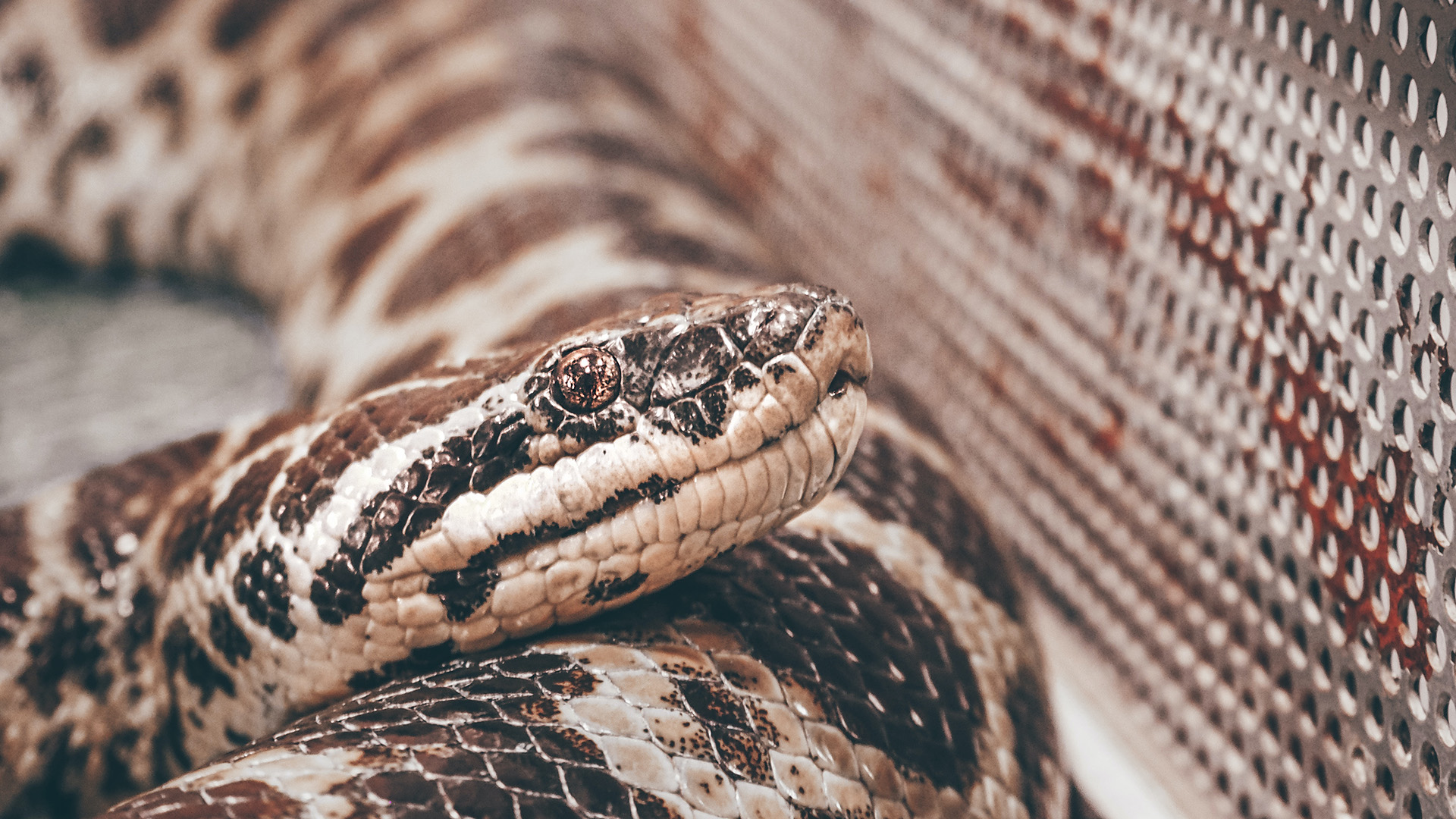
Wide aperture happens when you have a large f-stop. This means that your camera lens is more open and allows more light to come through. What is the result? Your background is blurry, and your subject is in focus. The picture above shows a snake in the foreground very much in focus, but the background is blurred. This is an example of “wide aperture”.
Narrow Aperture
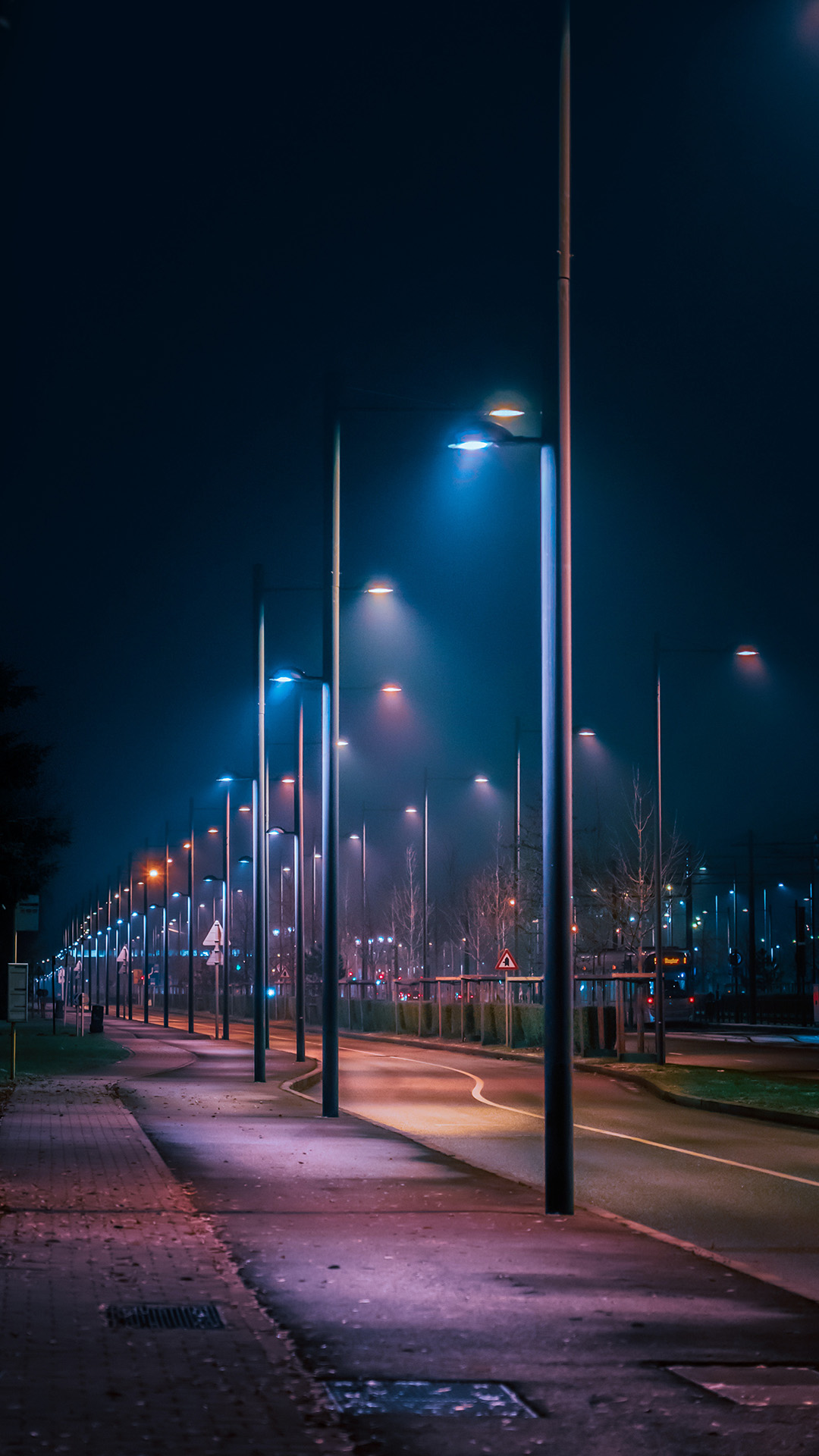
If wide aperture means a large f-stop, then narrow aperture is the opposite. Narrow aperture has a small f-stop, which means that the lens is more closed. This results in everything being sharp. In the photo above, you can see that the lamps in the foreground and the ones in the background are all in focus. There is no blur.
Fast Shutter Speed
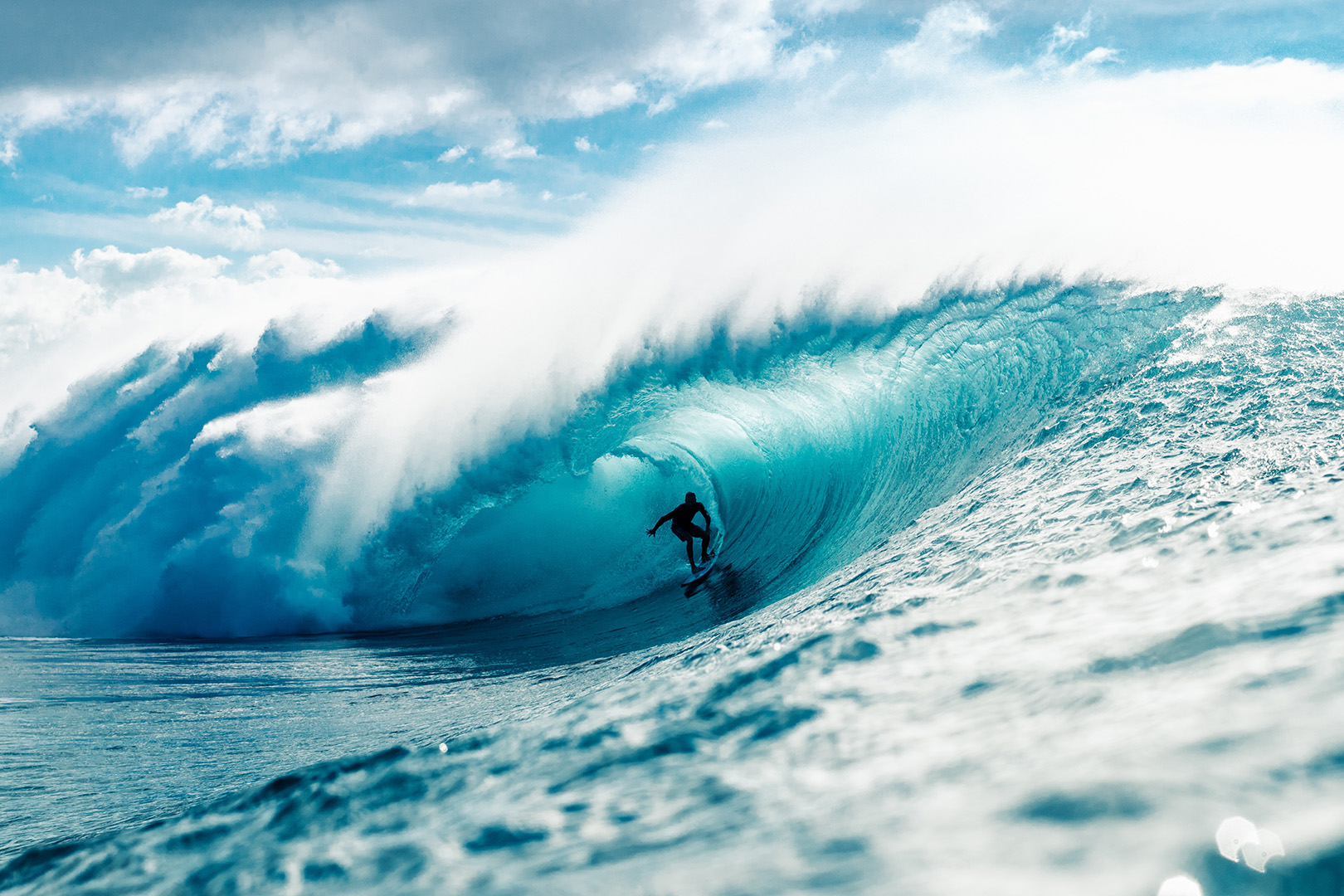
Having a higher (faster) shutter speed allows you to photograph things in motion with no blur. With a fast shutter speed you’re able to hold the camera yourself and get many different angles of pictures. The photo above is an example of fast shutter speed because the surfer is caught still with no motion, as well as the wave.
Slow Shutter Speed
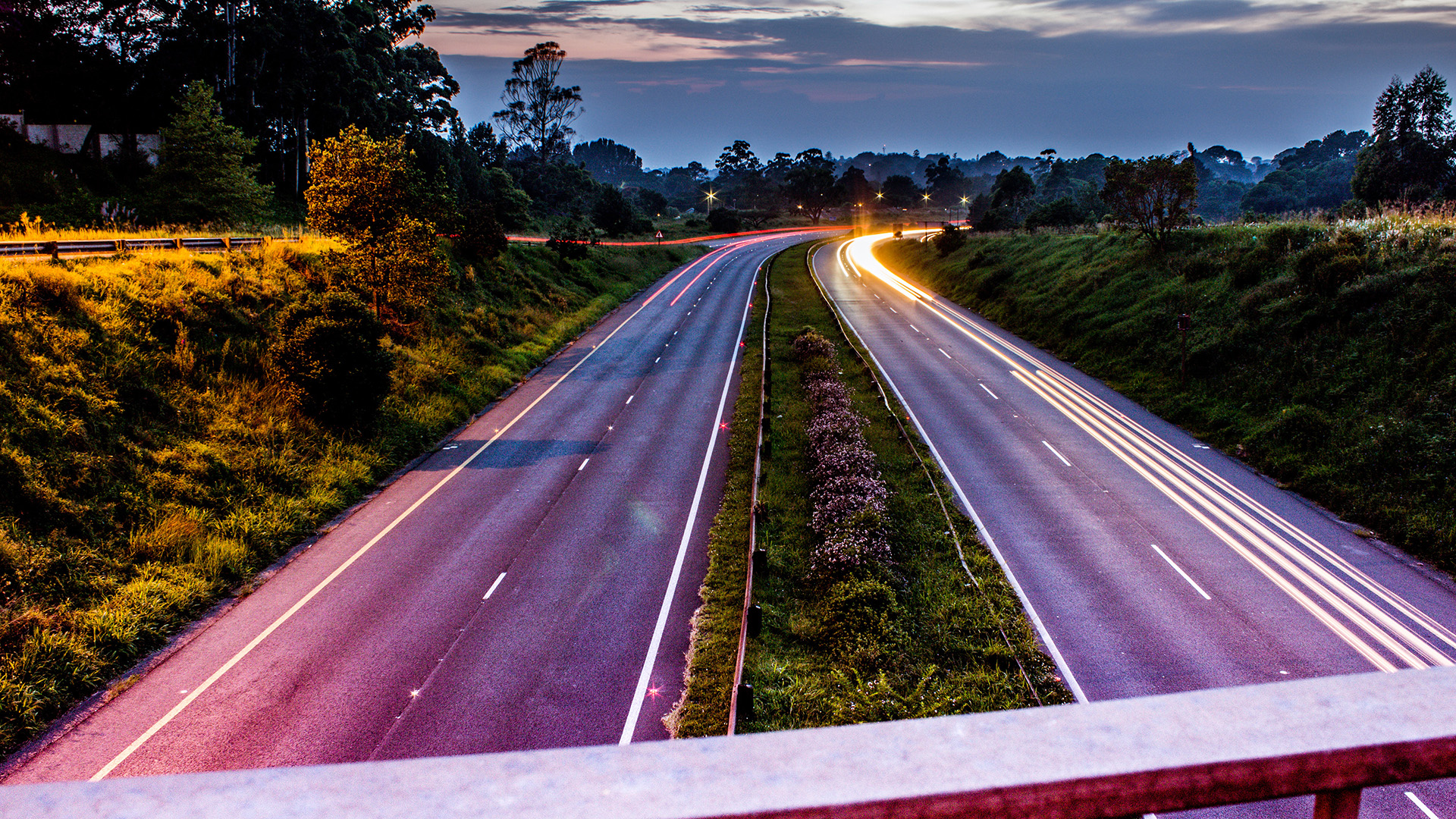
A slow shutter speed is used when you want your still images to be sharp, but want moving ones to be blurry. With a slow shutter speed you’ll have to use a tripod or else everything will end up blurry. The photo above shows a great example of a slow shutter speed. It was taken on a tripod (you can tell because the road and surrounding areas aren’t blurry) and the car headlights are blurred (the motion).
What I’m Interested In
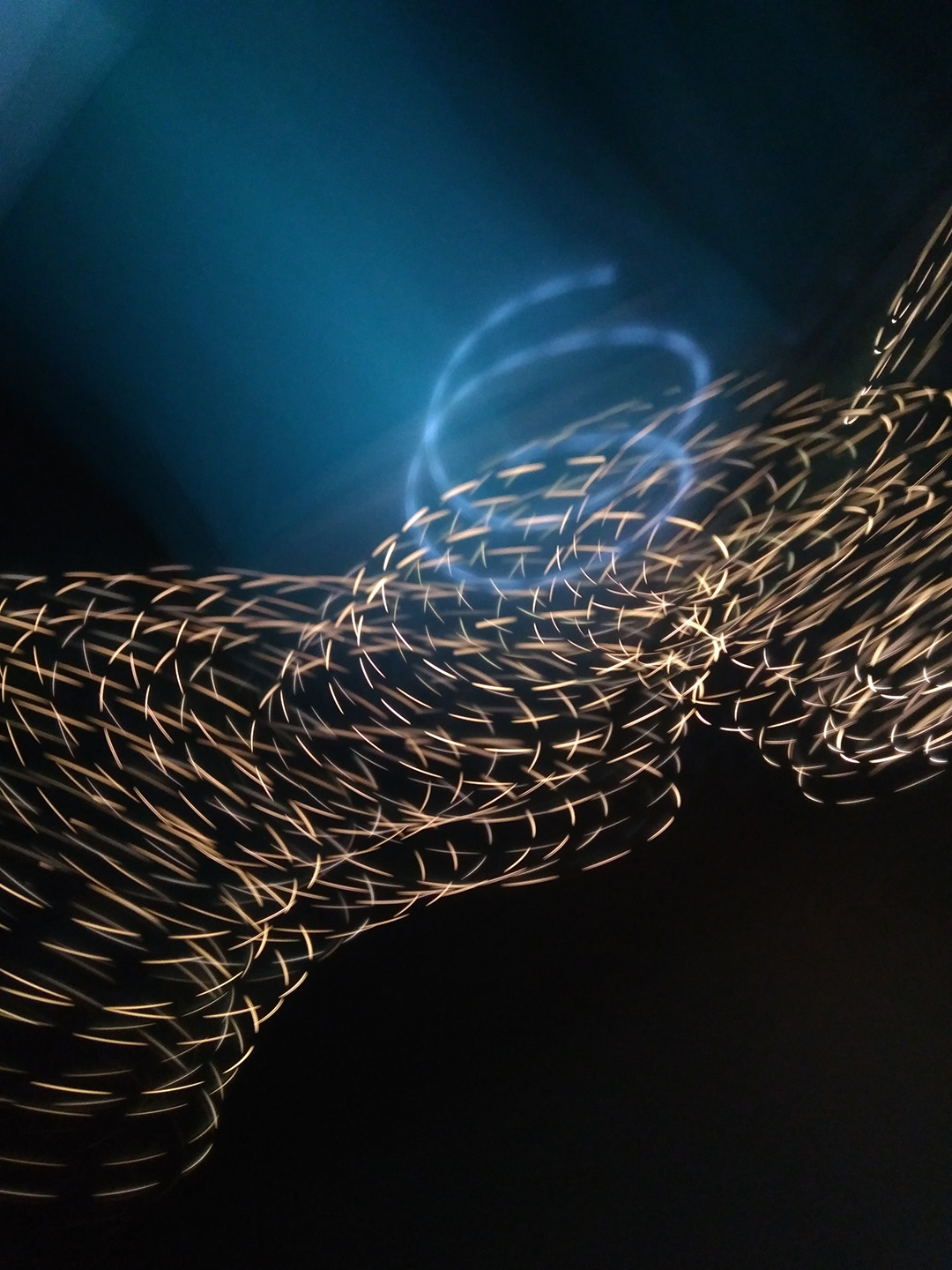
The above image is of a light painting. I’d never seen these until recently, and I think they’re absolutely mesmerizing. I’m intrigued by these because I want to know how to do it! From what I’ve learned, the aperture should be more narrow than wide. This is to allow the light to be sharp in the photo.
 Abbi Rosenow's Website
Hello Abbi, thank you for sharing your learning on this blog, it was very interesting to read it. You got very good photo examples for each principle. My favorite was the photo for the fast shutter speed. I also like that you are interested in light painting. I think that to get that effect, you can apply a slow shutter speed too.
I invite you to read my blog. Here is the link: https://andretorrejonphotography.wordpress.com/2023/01/10/aperture-speed-and-iso-understandings/
LikeLike
Abbi this was a great post to read. I loved getting your take on the things that we learned this last week and how to improve ourselves. I think light painting is so great, definitely something you should consider for your new media project!
My blog: https://ryanhunsakerblog.wordpress.com/2023/01/10/exploring-the-exposure-triangle/
Chris’ blog: https://chrisbrockswebsite.wordpress.com/2023/01/09/a-study-in-aperture-shutter-speed-and-iso/
LikeLike
Abbi I love your chosen picture for something you’re interested in. That light painting pic is so cool!! You’re right, they are mesmerizing. I hope we can do that in this class sometime.
My blog: https://rachellepeterson.wordpress.com/2023/01/10/the-photographers-triangle/
You should also check out Bekah’s: https://photo5710.wordpress.com/?fbclid=IwAR22efbOr-9oL1CmBwzuA6R4QdwJiGj5b-jfTZtOt2bMWyyWCfar-i9_Ecs
LikeLike